Pioneer Cs-787 Info




 SHOP
SHOP
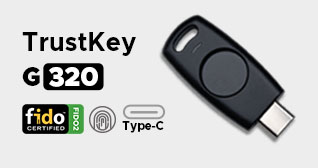
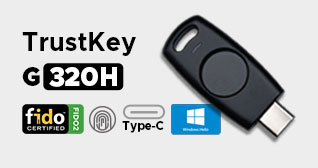
TrustKey
Global Group
The Best Partner for You
Global Group
The Best Partner for You
FIDO2 Security Key
Experience the easy-to-use login with Powerful security at the same time.

01
Fast login
without password
02
No more
fingerprint data breach
03
User Protection
with Multi-Protocol Support
04
Multiple
client devices supported
05
FIDO2 Security
Level 2 certified
06
Microsoft Azure
AD support
A dedicated cone or dome midrange driver bridges the gap between bass and treble. This driver handles the critical vocal frequencies, ensuring that speech and instruments remain clear and distinct.
To get the best out of the CS-787, pair them with a vintage silver-face receiver from Pioneer, Sansui, or Kenwood. The natural warmth of these amplifiers complements the bright energy of the speakers beautifully.
The 1980s marked a golden era for high-fidelity audio, a time when Japanese manufacturers dominated the global market with robust engineering and distinctive aesthetic choices. Among the many components that captured the hearts of audiophiles during this period were the loudspeaker systems produced by the Pioneer Electronic Corporation. While models like the HPM series often steal the modern spotlight, the Pioneer CS-787 remains a fascinating, highly capable, and fiercely debated entry in the vintage audio landscape.
The speakers are generally found in a , though listings have also referenced a "Vintage - Blaue Serie - Mahagoni" (Mahogany) version, suggesting possible finish variations depending on the market. The compact dimensions (56 x 32 x 23 cm) made them far more versatile than their larger floor-standing siblings, allowing them to be easily placed on sturdy bookshelves, dedicated speaker stands, or integrated into a custom entertainment center. This combination of functional size and classic, understated styling makes the CS-787 a visually pleasing component in any vintage hi-fi setup.
What are you planning to pair with them?
The visual presence of the Pioneer CS-787 immediately commands attention in any listening room. They represent the classic "kabuki" and traditional floor-standing design philosophy of the late 20th century.
Visually, the CS-787 screams "Vintage Hi-Fi." It features a substantial walnut veneer cabinet, typical of Japanese engineering from this period. The aesthetic is distinctively retro, characterized by the . These vertical slats are not merely decorative; they act as a protective grille while allowing sound to pass through, but they give the speaker a severe, "serious" look that pairs perfectly with the brushed silver faceplates of Pioneer’s SX-series receivers (like the SX-780 or SX-1050).
A dedicated cone or dome midrange driver bridges the gap between bass and treble. This driver handles the critical vocal frequencies, ensuring that speech and instruments remain clear and distinct.
To get the best out of the CS-787, pair them with a vintage silver-face receiver from Pioneer, Sansui, or Kenwood. The natural warmth of these amplifiers complements the bright energy of the speakers beautifully. pioneer cs-787
The 1980s marked a golden era for high-fidelity audio, a time when Japanese manufacturers dominated the global market with robust engineering and distinctive aesthetic choices. Among the many components that captured the hearts of audiophiles during this period were the loudspeaker systems produced by the Pioneer Electronic Corporation. While models like the HPM series often steal the modern spotlight, the Pioneer CS-787 remains a fascinating, highly capable, and fiercely debated entry in the vintage audio landscape. A dedicated cone or dome midrange driver bridges
The speakers are generally found in a , though listings have also referenced a "Vintage - Blaue Serie - Mahagoni" (Mahogany) version, suggesting possible finish variations depending on the market. The compact dimensions (56 x 32 x 23 cm) made them far more versatile than their larger floor-standing siblings, allowing them to be easily placed on sturdy bookshelves, dedicated speaker stands, or integrated into a custom entertainment center. This combination of functional size and classic, understated styling makes the CS-787 a visually pleasing component in any vintage hi-fi setup. The natural warmth of these amplifiers complements the
What are you planning to pair with them?
The visual presence of the Pioneer CS-787 immediately commands attention in any listening room. They represent the classic "kabuki" and traditional floor-standing design philosophy of the late 20th century.
Visually, the CS-787 screams "Vintage Hi-Fi." It features a substantial walnut veneer cabinet, typical of Japanese engineering from this period. The aesthetic is distinctively retro, characterized by the . These vertical slats are not merely decorative; they act as a protective grille while allowing sound to pass through, but they give the speaker a severe, "serious" look that pairs perfectly with the brushed silver faceplates of Pioneer’s SX-series receivers (like the SX-780 or SX-1050).














How to enroll fingerprint with BioManager
How to sign into G Suite using TrustKey
Meet TrustKey’s expert.
CONTACT US
Copyright © 2020 TrustKey. All Rights Reserved.