
A cross platform, customizable graphical frontend for launching emulators and managing your game collection.
A cross platform, customizable graphical frontend for launching emulators and managing your game collection.
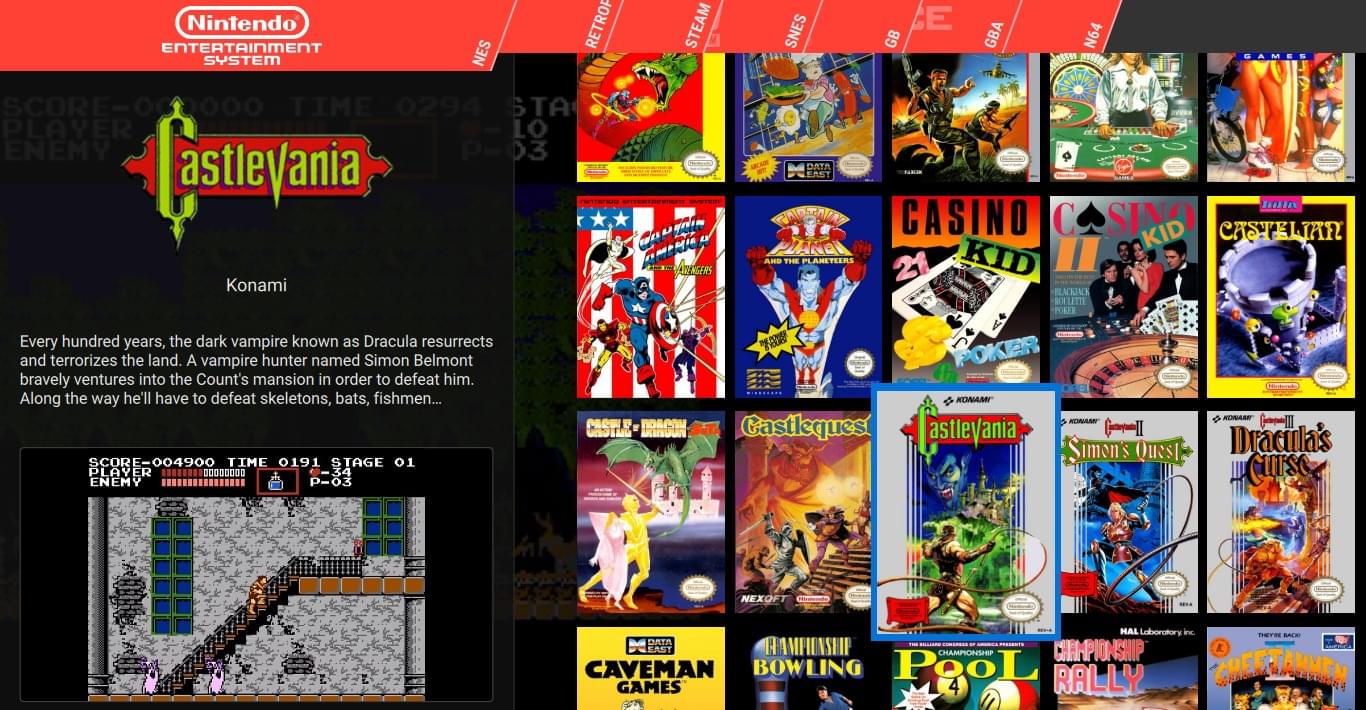
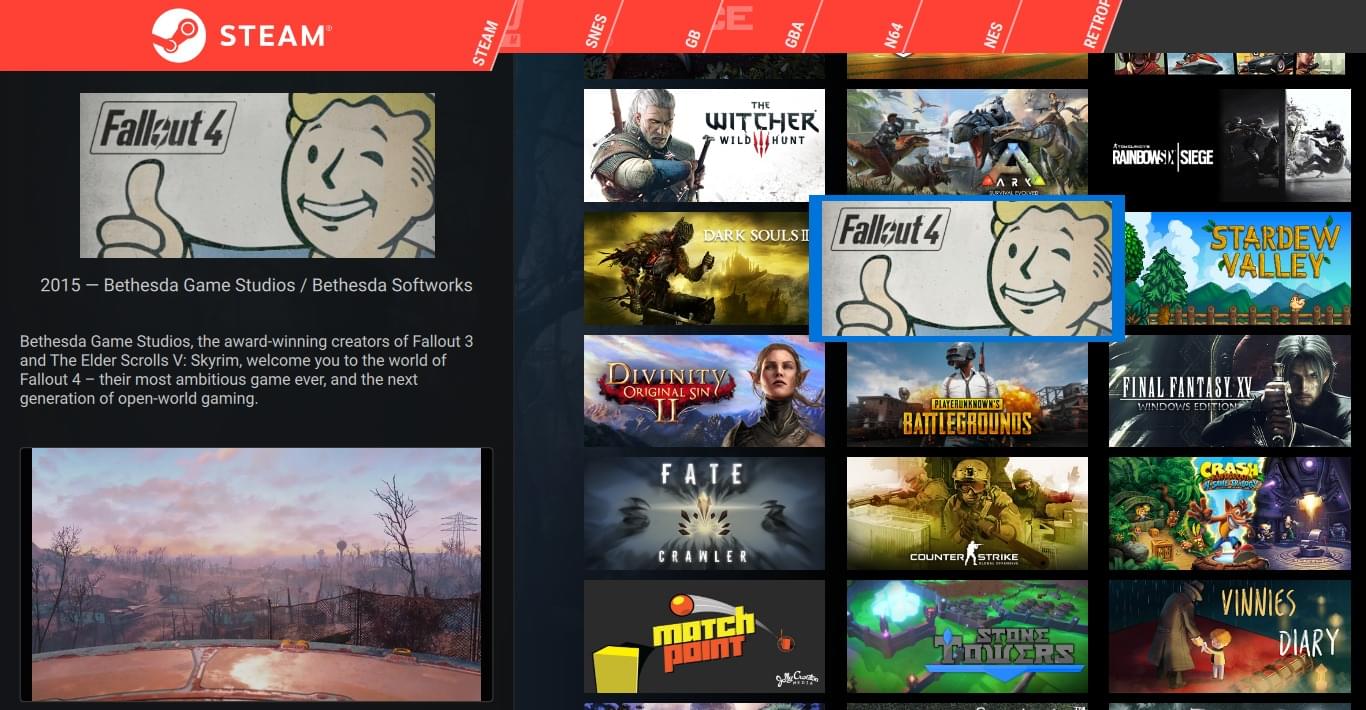
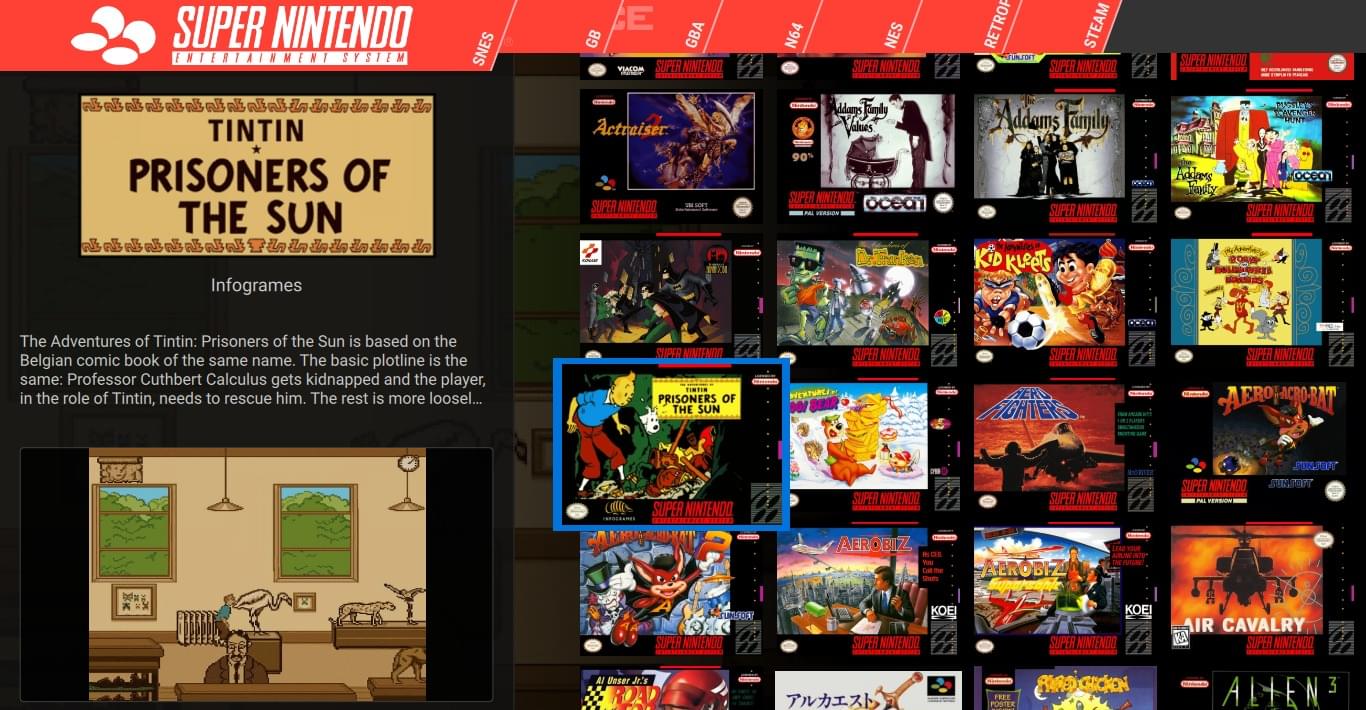
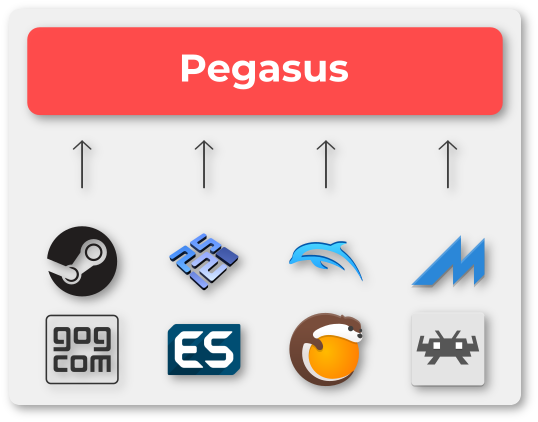
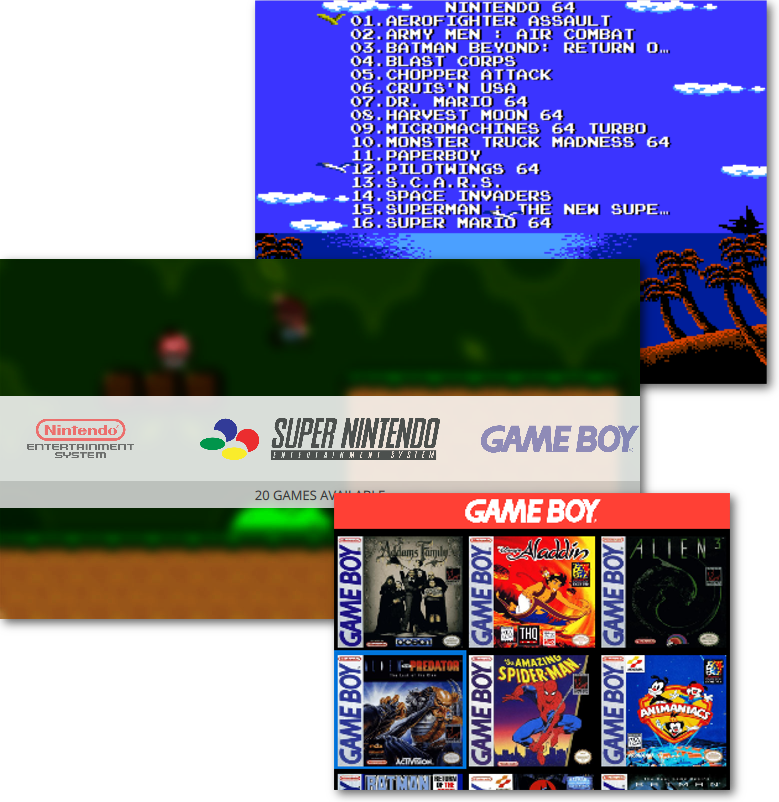
Pegasus is a graphical frontend for browsing your game library (especially retro games) and launching them from one place. It's focusing on customizability, cross platform support (including embedded devices) and high performance.
Instead of launching different games with different emulators one by one manually, you can add them to Pegasus and launch the games from a friendly graphical screen from your couch. You can add all kinds of artworks, metadata or video previews for each game to make it look even better!
With additional themes, you can completely change everything that is on the screen. Add or remove UI elements, menu screens, whatever. Want to make it look like Kodi? Steam? Any other launcher? No problem. You can add animations and effects, 3D scenes, or even run your custom shader code.
Pegasus can run on Linux, Windows, Mac, Raspberry Pi, Odroid and Android devices. It's compatible with EmulationStation metadata and gamelist files, and instantly recognizes your Steam games!
Built-in matrix scanning engine supporting up to an 18x8 keyboard matrix.
The 128-pin layout is designed to facilitate high-speed trace routing across dense multi-layer laptop PCBs. While exact assignments can shift slightly depending on the specific motherboard schematic configuration, ITE controllers share a standardized architectural foundation: it8995e 128 datasheet
The embedded controller handles tasks essential to a computer's stability and basic user interaction before and after the main Operating System loads: Built-in matrix scanning engine supporting up to an
: The linear regulator (LDO) delivers 3.3V to the EC's VCC pins. Note for Technicians: Always back up the original
Note for Technicians: Always back up the original EC firmware dump before attempting to write a new binary file. Ensure the extracted firmware matches the exact motherboard revision, not just the laptop model. 5. Diagnostics and Troubleshooting Common Failures
Verify that the EC_RST# pin is sitting high at 3.3V.
: Employs dedicated programming paths (such as EDI or shared I2C channels) used by diagnostic tools to rewrite internal eFlash. Motherboard Repair and Programming Requirements


